Vietnam government's manufacturing support policies and tax incentives
Vietnam Government's Manufacturing Support Policies and Tax Incentives
What makes Vietnam a magnet for global manufacturers today? Beyond its low labor costs and strategic location, the Vietnam manufacturing industry is gaining momentum thanks to robust government support. From national industrial strategies to tax breaks and digital transformation initiatives, Vietnam's policies aim to create a thriving factory ecosystem. Read this article to explore the key support measures, tax incentives, and special programs that are helping manufacturers succeed in Vietnam's competitive landscape.
Government Policies Supporting the Vietnam Manufacturing Industry
National Industrial Development Strategies

National industrial development strategies (Source)

Vietnam's Industrial Development Strategy to 2025, with a vision toward 2035 and further to 2045, sets clear targets. It mandates that manufacturing contribute over 20 % of GDP and achieve 10 % annual growth. By 2030, 45 % of output in processing and manufacturing must be high‑tech. These strategies channel investment into electronics, auto parts, and green tech sectors. Such planning guides steady industrial growth.
Investment Promotion Programs
Vietnam regularly refines incentive schemes, including in industrial parks. Manufacturers gain income‑tax breaks (e.g., 10 % CIT for 15 years), duty exemptions, and zero land tax in designated zones. Hai Phong's industrial park offers incentives to attract electronics and auto parts firms with $24.8 bn FDI inflow by Sept 2024. These programs enhance competitiveness in the Vietnam manufacturing industry.
Infrastructure and Industrial Zone Expansion
Infrastructure upgrades include Decree 32/2024 on industrial clusters, providing up to 30 % co‑financing for technical infrastructure projects, land allocation, and streamlined approvals. Provinces like Đồng Nai host 35+ industrial parks, 82 % occupied, and are creating FTZs near Long Thành airport. Major transport links like the HCM Expressway boost factory access. Saigon Hi‑Tech Park is expanding from 326 ha to 913 ha with land lease and tax incentives targeting high‑tech investors. This greatly benefits Vietnam manufacturing industry.
Digital Transformation and Smart Manufacturing Support

Digital transformation (Source)
Through the National Strategy for Industry 4.0 and MoIT's smart factory initiatives, the government is driving industrial modernization through 2030. A smart‑manufacturing market CAGR of 10.7 % is expected from 2025 to 2033. Public-private forums like VGMF 2025 drive AI, IoT, and automation adoption.
Support for High-Tech and Green Manufacturing
Through the National Strategy for Industry 4.0 and MoIT's smart factory initiatives, the government is driving industrial modernization through 2030. A smart‑manufacturing market CAGR of 10.7 % is expected from 2025 to 2033. Public-private forums like VGMF 2025 drive AI, IoT, and automation adoption.
Tax Incentives for Manufacturers in Vietnam

Tax incentives for manufacturers in Vietnam (Source)

Corporate Income Tax (CIT) Incentives
Vietnam's new CIT law offers targeted breaks for manufacturing. High-tech, green, and supporting industry projects enjoy a 10 % CIT rate for up to 15 years. Small firms with revenue under VND 50 billion pay lower rates (15-17 %). Tax holidays span 2-4 years, followed by 50 % reductions for 4-9 years. These benefits boost growth in the Vietnam manufacturing industry.
Import Duty Exemptions on Machinery and Raw Materials
Full import‑duty exemption applies to machinery, equipment, and raw materials that domestic firms cannot produce, especially for export‑oriented manufacturers. Exemptions also cover project expansions. These measures reduce startup costs and support competitiveness in the Vietnam manufacturing industry.
Value Added Tax (VAT) Refunds for Exporters
Export‑oriented manufacturers enjoy VAT refunds on inputs used in exported goods. Standard VAT is 10 %, but some goods and services may drop to 8 % under Decree 44/2023 until mid‑2025. VAT refunds improve cash flow for firms in the electronics, textiles, and auto parts sectors.
Incentives for High-Tech and Supporting Industries
High‑tech and supporting industries gain deeper incentives. CIT rates drop to 5 - 9 % for 30 - 37 years for large R&D or green projects. Land‑lease breaks and infrastructure support reinforce the Vietnam manufacturing industry's shift to advanced production.
Special Incentives for Foreign Investors in Manufacturing

Special incentives for foreign investors (Source)

Targeted Incentives for Priority Sectors (electronics, auto parts, etc.)
Top sectors, electronics, auto parts, and semiconductors, receive deep incentives. Foreign investors in these areas enjoy reduced CIT at 10% for 15 years or up to 30 years for high-tech projects in prioritized zones. Duty-free imports of machinery and raw materials apply. These perks lure major names and strengthen the Vietnam manufacturing industry.
Investment Promotion Zones and Economic Zones
Across the country, there are 44 economic zones along with 433 industrial zones in operation. Firms located here get CIT holidays of 2 - 4 years, then 50% tax cuts for 4 - 9 years. Disadvantaged zones offer a flat 10% CIT for up to 15 years. Zones include export processing and hi‑tech parks. These zones fuel foreign investment and boost the Vietnam manufacturing industry.
Land Lease Incentives and Infrastructure Support
Foreign firms in industrial parks get free land rent for up to 3 years during construction. Additional waivers may last 7 - 15 years in hard‑to‑develop areas. Leases span up to 70 years with reduced rates. State builds roads, ports, power, and wastewater systems to ease setup.
Intellectual Property and Legal Protections
New IP laws streamline approvals in eco‑ and high‑tech parks. Stronger protections reduce legal risk. Clearer legal frameworks give confidence to global investors in Vietnam's innovation‑driven manufacturing ecosystem.
Case Studies: Success Stories of Foreign Manufacturers in Vietnam
Samsung's Investment and Expansion in Vietnam
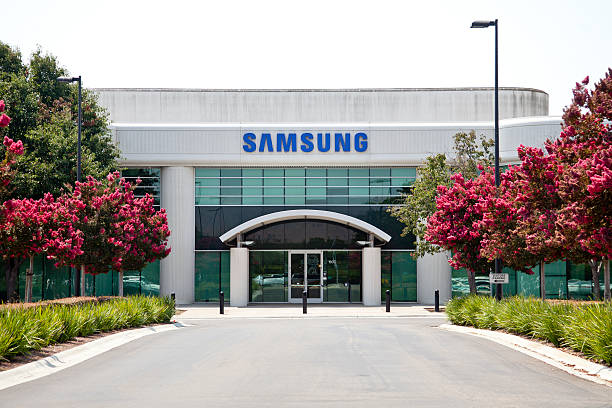
Samsung investment and expansion (Source)
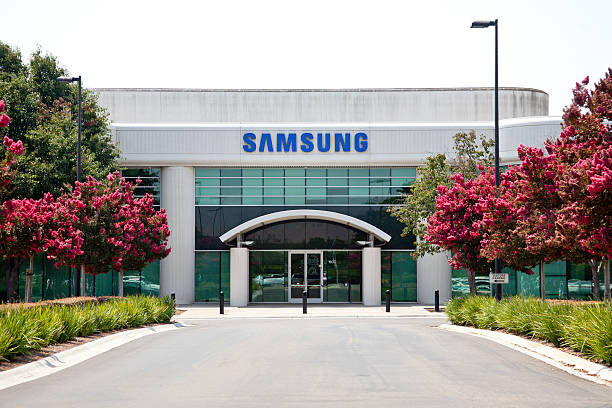
Samsung remains Vietnam's largest foreign manufacturer, with total investments reaching around $23.2 billion as of early 2025. In 2024, revenue from its Vietnamese operations hit $62.5 billion, with exports of $54.4 billion.
A major $1.8 billion OLED plant in Bac Ninh began in 2024, adding to six factories nationwide and an R&D centre. The government supports Samsung through preferential tax rates, training partnerships, and infrastructure aid, fueling growth in the Vietnam manufacturing industry.
LEGO's Eco-Friendly Manufacturing Plant in Binh Duong

LEGO (Source)

LEGO opened a $1 billion eco‑friendly factory in Binh Duong province in April 2025. The plant spans 62 football fields and uses 12,400 solar panels, rooftop energy storage, and clean power purchase agreements. Aiming for 100% renewable energy by 2026, it launched with 50,000 trees planted in 2023. This investment reinforces sustainable practices in the Vietnam manufacturing industry.
Japanese SMEs Taking Advantage of Tax Incentives
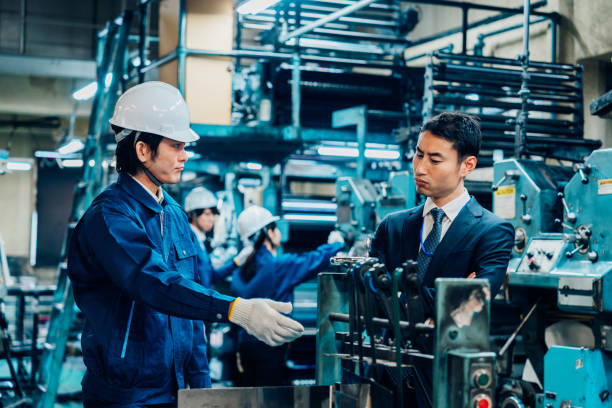
Japanese SMEs (Source)

Japanese SMEs have leveraged Vietnam's CIT breaks, VAT refunds, and preferential land leases. Many firms in electronics, auto parts, and supporting industries report lower setup costs and quicker returns. These policies help smaller companies deepen supply-chain links in Vietnam and boost competitiveness.
Challenges and Considerations for Manufacturers

Challenges and considerations for manufacturers (Source)
Regulatory Compliance and Documentation
Foreign manufacturers must secure an Investment Registration Certificate and business license. Environmental Impact Assessments and technical approvals often require detailed documentation and translations into Vietnamese .
Frequent updates in labor and environmental rules demand constant attention. For instance, EIA compliance can lead to fines of up to VND 1 billion if ignored . These administrative layers slow down factory openings and increase legal expenses in the Vietnam manufacturing industry.
Regional Differences in Policy Implementation
Policy execution varies across provinces. Some local authorities interpret incentives and licensing rules differently. Investors often face inconsistent land-use approvals or tax treatment in industrial zones. This regional variance creates uncertainty. Manufacturers should assess individual province policies before committing to large projects in the Vietnam manufacturing industry.
Navigating Administrative Procedures
Administrative reforms shrink agencies, but process times remain uneven. The new Investment Law enables 15-day permits via online portals, yet businesses still spend weeks on paperwork. Digital systems help but require firms to stay updated on evolving requirements.
Need for Local Partnerships and Legal Guidance
Foreign firms gain an edge by partnering with local legal advisors and agencies. Local counsel navigates licensing, environmental law, and supply‑chain traceability. The US‑Vietnam trade deal demands stricter origin controls to avoid heavy tariffs. Skilled local guides help manage local rules and global standards. This support is vital for success in the Vietnam manufacturing industry.
How Kizuna Supports Manufacturers in Vietnam
Kizuna offers turnkey, ready-built serviced factories to help foreign manufacturers tap into the country's policy advantages. As a pioneer in Vietnam's serviced factory model, Kizuna ensures efficient production spaces with comprehensive infrastructure, legal support, and a multilingual team.
Leveraging Tax and Land Incentives
Kizuna's locations fall within government-supported industrial parks where manufacturers benefit from low corporate income tax rates, import duty exemptions, and land rent relief. These align perfectly with national policies offering 10 % CIT for up to 15 years and up to 15 years of land rent reductions.
Fast-Track Legal and Administrative Services
Firms renting Kizuna factories receive free support for investment and enterprise registration, bank account setup, and environmental permits. This aligns with government efforts to streamline licensing and improve administrative procedures.
Boosting High-Tech and Green Manufacturing
Kizuna supports tenants adopting automation, AI, or clean production. This complements state programs that offer deeper tax cuts, land-lease breaks, and financial support to high-tech and green projects in Vietnam manufacturing industry.