Development Of Vietnam's Manufacturing Industry And Major Export Items
Development Of Vietnam's Manufacturing Industry And Major Export Items
Is Vietnam becoming Asia's next manufacturing powerhouse? The rapid development of Vietnam's manufacturing industry and major export items has captured global attention, driven by strategic advantages and economic reforms. With a skilled workforce, prime trade location, and robust infrastructure expansion, Vietnam is strengthening its position in global supply chains. This article explores the key factors fueling this transformation, top export sectors, and the future outlook for the Vietnam industry in an increasingly competitive world.
Key Drivers Behind the Growth of Vietnam's Manufacturing Industry
Several strategic factors drive the expansion of Vietnam's manufacturing industry. These elements have helped transform the country into a competitive player on the global stage. Let’s break down the critical factors supporting this progress.
Competitive Labor Costs and Skilled Workforce

Competitive labor costs and skilled workforce (Source)

One of the most significant advantages of Vietnam's manufacturing sector is its competitive labor costs. The country offers one of the lowest wage rates in Asia, making it an attractive destination for companies looking to reduce production expenses.
In addition to affordable labor, the workforce in Vietnam is becoming increasingly skilled. The government has focused on improving education and vocational training, ensuring workers are prepared for the demands of modern industries. With a growing pool of skilled labor, the Vietnam industry is well-positioned to support electronics, textiles, and footwear sectors.
Strategic Geographic Location for Global Trade
Vietnam's strategic location plays a crucial role in its manufacturing growth. This strategic location connects global businesses to essential markets in Asia, the United States, and Europe. This proximity to major shipping routes reduces transportation costs, giving Vietnam a significant advantage in global trade.
Trade agreements such as the CPTPP (Comprehensive and Progressive Agreement for Trans-Pacific Partnership) further boost the country's standing in global manufacturing. These deals provide easier access to international markets, contributing to the rapid expansion of the Vietnam industry.
Expansion of Industrial Parks and Infrastructure Investment

Expansion of industrial parks and infrastructure investment (Source)

Vietnam's authorities have poured resources into infrastructure, emphasizing the expansion of industrial areas. These parks offer a streamlined environment for manufacturing operations, with access to necessary facilities and services. The development of key industrial zones in cities like Ho Chi Minh and Hai Phong has attracted significant foreign investment.
Alongside this, infrastructure improvements in transportation, including roads, ports, and airports, have made the country even more appealing for manufacturers. As a result, Vietnam industry continues to thrive, with smoother logistics and reduced operational costs.
Major Export Items of Vietnam's Manufacturing Industry
Vietnam's manufacturing industry has expanded rapidly, contributing significantly to the country's economic growth. Among the key drivers of this expansion are the major export items that have put Vietnam on the map as a global supplier. Below are the leading export items from Vietnam's thriving manufacturing sector.
Electronics and Electrical Equipment
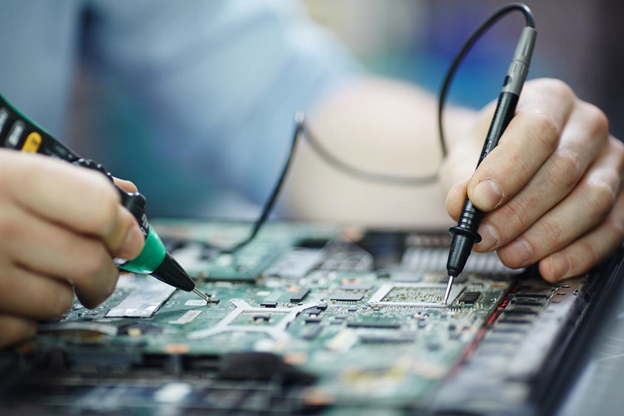
Electronics and Electrical Equipment (Source)
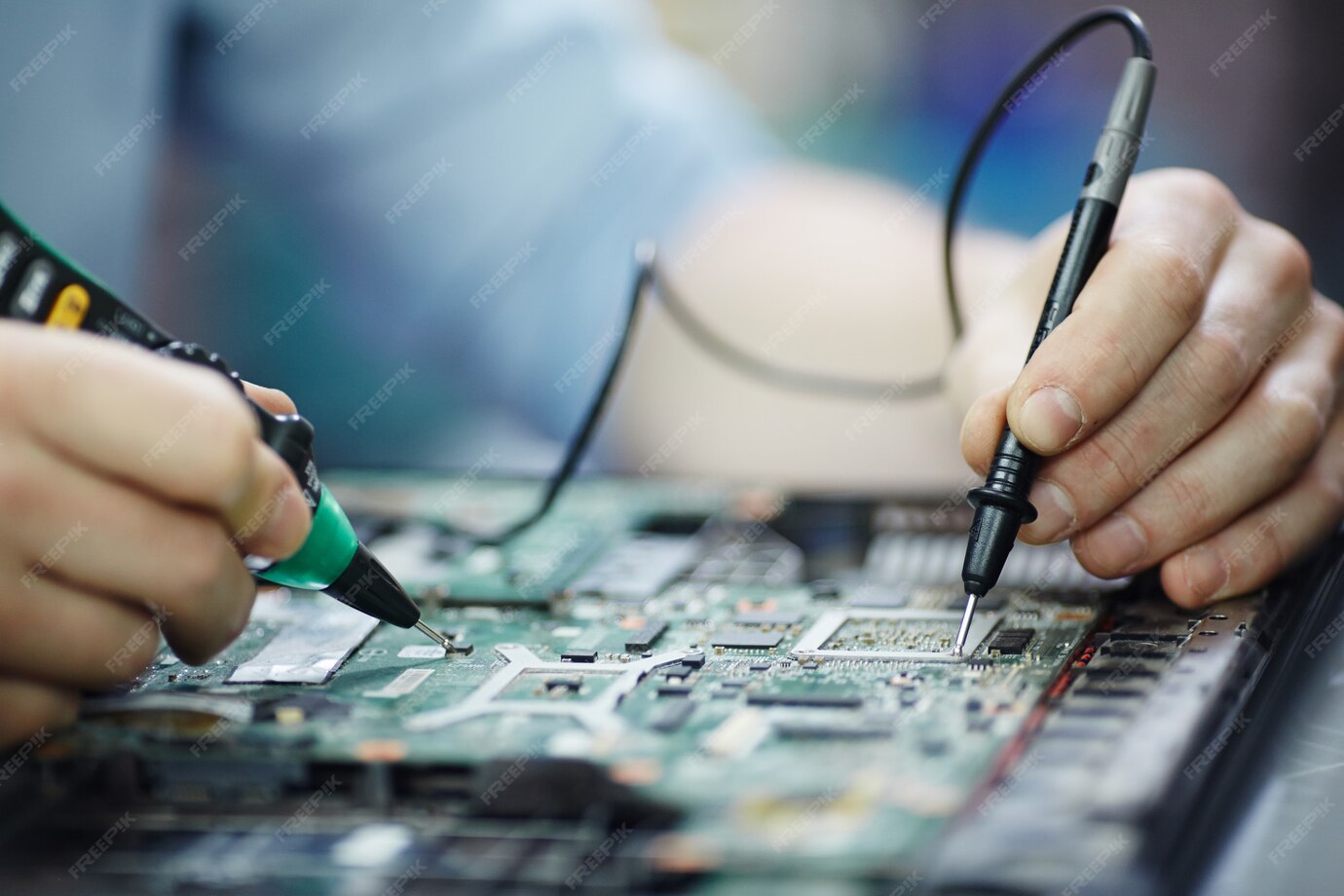
Electronics and electrical equipment are among Vietnam's top exports, accounting for more than 40% of the total export value in 2023. Mobile phones, computers, and consumer electronics dominate this category. Samsung, LG, and other major tech firms have established extensive manufacturing operations in the country, significantly boosting export volumes.
In 2023, Vietnam exported over $75 billion worth of electronics, marking a 10% year-over-year growth. This growth is attributed to increasing demand for smartphones, components, and home appliances, driven by regional and global markets. Vietnam industry has also seen investments in semiconductor production, positioning it as an emerging player in high-tech manufacturing.
Textiles, Garments, and Footwear
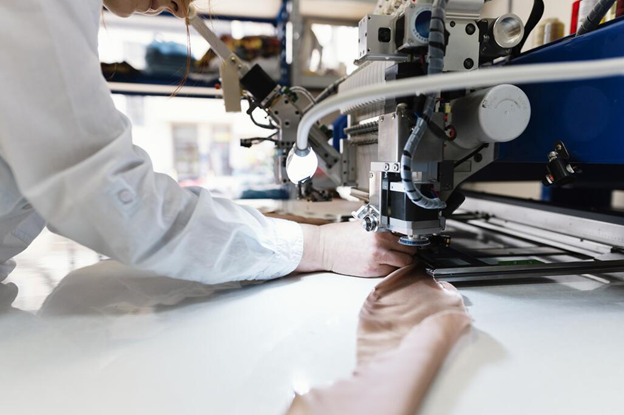
Textiles, Garments, and Footwear (Source)

The textiles and garment industry is another vital pillar of Vietnam's export economy. With a well-established supply chain and competitive labor costs, the country has become a leading producer of clothing and footwear. In 2023, textiles and garments alone contributed around $43 billion to Vietnam's total export earnings.
Vietnam exports a wide range of products, including ready-made garments, shoes, and textiles, to markets in the U.S., Europe, and Asia. The push for greener products positions this industry for steady future growth. As of 2024, the country ranks among the top five global footwear exporters.
Machinery and Mechanical Products
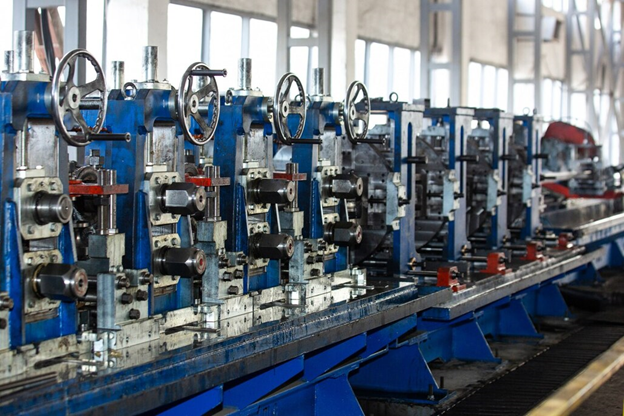
Machinery and Mechanical Products (Source)

Another key export category for the Vietnam industry includes machinery and mechanical products. The sector includes products like pumps, motors, and automotive parts. In 2023, Vietnam's machinery exports reached approximately $15 billion, showing steady growth in the face of rising global demand.
This growth is fueled by the expansion of manufacturing and assembly lines in Vietnam, with key international companies like Toyota and Ford outsourcing production to local factories. The country's growing precision engineering and manufacturing expertise makes it a competitive hub for mechanical products in Asia.
Agricultural and Food Processing Products

Agricultural and Food Processing Products (Source)

Vietnam is known for its agricultural exports, particularly in food processing. In 2023, agricultural products like rice, coffee, and seafood contributed around $26 billion to the country's export revenue. The nation's robust agricultural sector supports a variety of food processing industries that produce ready-to-eat meals, canned goods, and packaged foods.
The country's coffee exports alone accounted for over $3.5 billion in 2023, positioning Vietnam as the second-largest coffee exporter globally. Additionally, the seafood sector, including shrimp and fish, also ranks highly in exports, making up a significant portion of the Vietnam industry's food processing output.
Furniture and Wood Products
Furniture and Wood Products (Source)

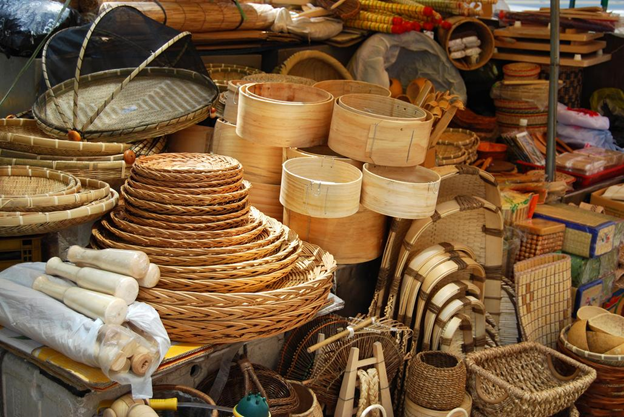
The furniture and wood products sector is another robust component of Vietnam’s export market. The country has become a major supplier of wooden furniture, especially to markets in the U.S. and Europe. The furniture and wood products sector saw a 10% growth in exports in 2023, reaching $15.5 billion.
Vietnam's wood processing industry benefits from abundant raw materials, such as rubber wood and other timber types. The country's ability to produce high-quality furniture at competitive prices has made it one of the top exporters globally. As the demand for sustainable and eco-friendly furniture rises, Vietnam is well-positioned to meet this trend.
Challenges and Future Outlook of Vietnam's Manufacturing and Export Sectors
While Vietnam's manufacturing and export sectors have seen significant growth, they face challenges that could shape their future. These issues, combined with opportunities for innovation, will determine how the Vietnam industry evolves in the coming years.
Rising Labor Costs and Global Market Fluctuations

Rising Labor Costs and Global Market Fluctuations (Source)

Labor costs in Vietnam have been rising steadily, posing a challenge for the country's manufacturing sector. In 2024, average monthly wages for workers in manufacturing industries increased by 7%, putting pressure on cost competitiveness. This trend may lead to higher production costs for businesses, especially in labor-intensive sectors like textiles and electronics.
Furthermore, global market fluctuations, including trade tensions and economic slowdowns, can disrupt the stability of Vietnam's export markets. In 2023, Vietnam's export growth slowed to 5% from previous years due to weaker demand in key markets like the U.S. and Europe. This vulnerability to external economic forces could affect the Vietnam industry in the long run.
Environmental and Sustainability Pressures
Environmental and Sustainability Pressures (Source)

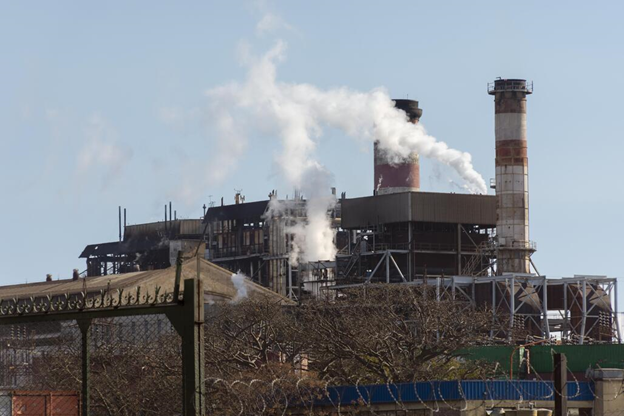
As global attention shifts toward sustainability, the pressure on manufacturers to reduce their environmental impact has increased. Vietnam's manufacturing sector faces growing concerns about pollution, waste management, and resource usage. The country is experiencing stricter environmental regulations, particularly regarding factory emissions and waste disposal.
In 2023, nearly 25% of Vietnam's factories did not meet the environmental standards set by the government. This has prompted many companies to invest in cleaner technologies and more sustainable practices. While this transition could incur initial costs, it presents long-term benefits by improving compliance and meeting international sustainability standards.
Opportunities in Innovation, FTAs, and High-Tech Manufacturing
Despite these challenges, Vietnam's manufacturing sector holds promising opportunities. The expansion of free trade agreements (FTAs) has opened new markets for Vietnamese goods. The Comprehensive and Progressive Agreement for Trans-Pacific Partnership (CPTPP) and the EU-Vietnam Free Trade Agreement (EVFTA) offer significant trade advantages.
Additionally, Vietnam has been positioning itself as a hub for high-tech manufacturing. In 2024, the electronics sector grew by 10%, fueled by increased semiconductors and smartphone production investments. The shift towards innovation and technology-driven manufacturing is expected to be a key factor in sustaining the Vietnam industry's growth in the coming years.
Why Is Kizuna the Ideal Partner for Manufacturing Businesses in Vietnam?
As Vietnam's manufacturing sector continues to grow, choosing the right local partner becomes essential for long-term success. Kizuna stands out as a trusted ally for both new and expanding manufacturers in the Vietnam industry.
How Kizuna Supports Manufacturing Businesses in Vietnam
Kizuna offers a unique Serviced Factory model that meets the evolving needs of modern manufacturers. Located in Long An Province, just outside Ho Chi Minh City, Kizuna provides ready-built factory spaces with flexible sizing options. This makes it easier for businesses to scale without delays in construction or permits. Each facility has full infrastructure support and a bilingual professional team that ensures smooth setup and daily operations.
In addition to quality infrastructure, Kizuna focuses on long-term value. Tenants receive comprehensive support services, including HR consultation, legal assistance, and administrative help. This hands-on approach helps foreign and local manufacturers quickly adapt to Vietnam's business environment while staying focused on core production activities.
Why Kizuna is the Ideal Choice for International and Local Manufacturers
Kizuna's commitment to efficiency and transparency makes it a preferred partner in the Vietnam industry. Its strategic location connects manufacturers to major ports and economic zones, streamlining export and supply chain operations. This is especially critical for electronics, textiles, mechanical parts, and food processing businesses—the sectors driving the development of Vietnam's manufacturing industry and major export items.
Moreover, Kizuna fosters a supportive community through its Industrial Service Hub, connecting tenants to local suppliers and service providers. This integrated ecosystem reduces costs and boosts collaboration across the value chain. For companies aiming to enter or expand in Vietnam, Kizuna offers not just a facility but a full-service manufacturing solution tailored for long-term growth.