Comparison of Vietnam's manufacturing industry with China, Indonesia, and Thailand
Comparison of Vietnam's Manufacturing Industry with China, Indonesia, and Thailand
How does the Vietnam manufacturing industry compare with regional giants like China, Indonesia, and Thailand? As global supply chains shift and companies seek reliable, cost-effective production hubs, Vietnam's factories become serious contenders. This comparison dives deep into labor costs, infrastructure, trade policies, and more, offering insights into what sets Vietnam apart and where it must improve. Explore how Vietnam stacks up against its rivals in the fast-changing Asian manufacturing landscape.
Vietnam vs China: A Manufacturing Powerhouse Comparison
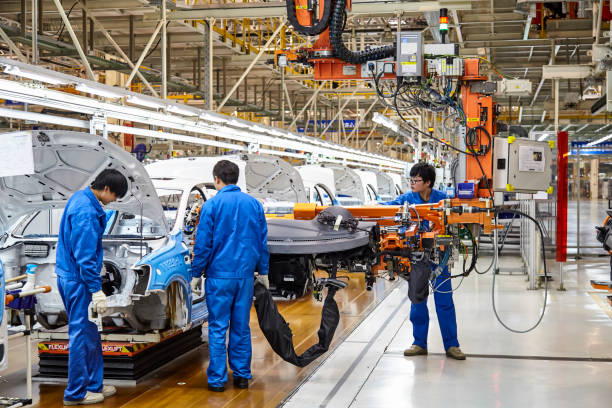
Vietnam vs China (Source)

Labor costs and workforce availability
Vietnam offers a large, young workforce at half the hourly wage of China. Labor averages in Vietnam range from $0.76–$2.99/hour, compared with China's $6–$6.50 /hr.
Workforce training remains a focus. To raise technical competency, Vietnam has developed targeted vocational education programs. China still leads in productivity and factory management. However, many global firms favor the Vietnam manufacturing industry for cost savings in labor‑intensive sectors.
Infrastructure and logistics
Vietnam has upgraded ports, highways, and industrial zones to ease shipping and production. Its coast of 3,260 km, 163 international seaports, and 12 international airports lift logistics performance. Delivery times average 30 days versus China's 45 days, reducing lead time by about 33%.
Special economic zones speed up business setup and reduce bureaucracy. Some constraints remain on rail and inland transport, but continuous improvements target these gaps. These moves enhance the Vietnam manufacturing industry appeal.
Trade relations and global supply chain role
Vietnam is strengthening its position within global supply systems. Bilateral trade with China topped $51 billion in early 2025, up 17% year‑on‑year. Vietnam benefits from trade pacts like CPTPP and EVFTA, which help export access beyond China‑led shipping routes. Its "China + One" strategy attracts manufacturers seeking alternatives to China. Export figures rose as major brands shifted production from China to Vietnamese factories.
Investment incentives and regulations
Vietnam grants generous tax incentives for encouraged sectors like high technology, electronics, and textiles. Corporate income tax (CIT) rates of 10% or 17% apply for 10–15 years in approved zones. Special high‑tech projects may qualify for a 5% CIT rate for up to 37 years, with tax holidays and 50% reductions later. Vietnam provides land rental incentives and customs support within its industrial parks.
Environmental and ESG considerations
Vietnam now offers green incentives like cash grants and tax breaks for environmentally friendly projects. ESG standards are rising in industrial parks, especially eco‑industrial zones, which focus on cleaner production and resource efficiency. Energy supply has improved with renewable power support and growing transmission capacity. Environmental compliance remains a key consideration.
Vietnam vs Indonesia: Competing in Southeast Asia
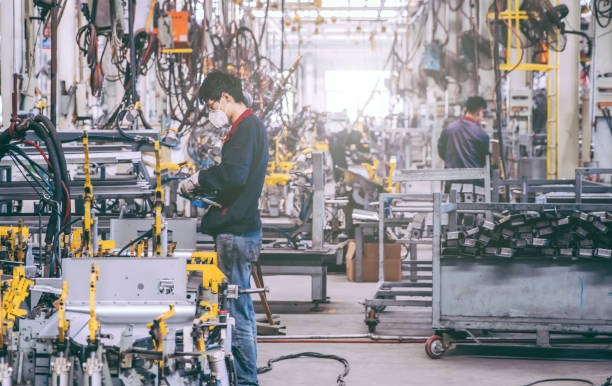
Vietnam vs Indonesia (Source)

Workforce skills and productivity
Vietnam's factory sector benefits from strong vocational training. The country produces some 50,000 IT graduates yearly, and its labor readiness for export-focused manufacturing exceeds Indonesia's semi-skilled workforce. Productivity in Vietnam's industrial workforce grew about 3.4 % annually from 2020 to 2023, compared to Indonesia's 1.2 %.
A young population and government-funded technical programs support steady gains. This combination of skill and productivity strengthens Vietnam's competitive edge in the Vietnam manufacturing industry.
Industry diversity and export strengths
Vietnam exports high-tech goods like electronics and machinery, which made up a large share of its $405 billion in total exports in 2024, with electronic components alone worth $72.6 billion. Indonesia relies more on raw materials and basic goods: agriculture, minerals, and textiles remain core exports. Vietnam's diverse industrial base enhances resilience and global appeal. Such diversity makes the Vietnam manufacturing industry increasingly robust and export‑oriented.
Ease of doing business and regulatory environment
Vietnam implements streamlined procedures under Resolution 68 for faster investment approvals, land access, and infrastructure permits. Indonesia has improved via Omnibus Law, but local fragmentation slows clarity and adds bureaucratic hurdles. Vietnam scores better in consistency and investor confidence.
Energy, raw materials, and production costs
Vietnam benefits from low wages and a stable energy supply. The average manufacturing wage is about $342/month in 2024. Indonesia's monthly wage averages $350 in 2024 but varies significantly across provinces. Indonesia holds massive natural resources, especially nickel, which is used for EV battery production. This gives Indonesia a raw material edge in EV-related segments.
Vietnam relies more on imports for raw materials, but its industrial park system offers land and power advantages. Vietnam government offers support incentives for utilities and energy in manufacturing zones.
Vietnam vs Thailand: Regional Rivalry in Manufacturing
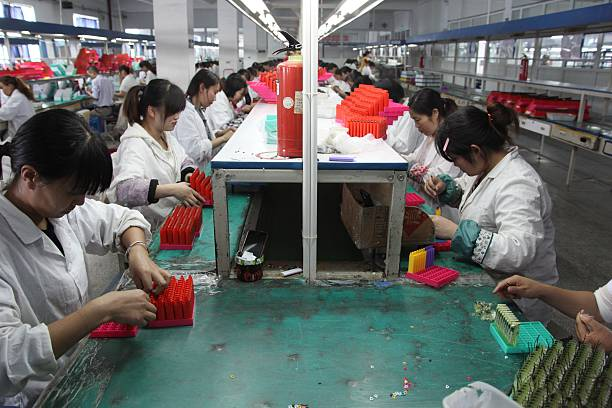
Vietnam vs Thailand (Source)

Technological advancement and automation
Vietnam accelerates the adoption of Industry 4.0. Factories now use AI, robotics, and smart control systems. Automation World Vietnam 2024 showcased 150+ automation firms across 400 booths in Binh Duong. Thailand also focuses heavily on smart factories with 45 industrial robots per 10,000 workers under its "Thailand 4.0" plan.
Foreign investment policies and FTAs
Vietnam has introduced Decree 19 (2025) for fast-track investment licensing, targeting high-tech industries. Vietnam also offers tax breaks, customs exemptions, and support funds through industrial parks. To attract EV producers, Thailand implements FTA-driven benefits and tax reductions on plug-in hybrid vehicles.
Infrastructure and connectivity
Vietnam improves industrial parks and transport links in provinces like Đong Nai and Ho Chi Minh City, connecting production areas to ports and airports. Thailand has a robust infrastructure in the Eastern Economic Corridor but higher logistics costs.
Sector-specific strengths
Vietnam’s export strengths include electronics, apparel, home goods, and furniture. Electronics output rose 12% in 2023. Thailand leads in automotive, EV batteries, and petrochemicals. Thailand's strong auto parts cluster and EV assembly incentives attract global firms. Both countries focus on both scale and specialization.
Key Reasons Global Companies Choose Vietnam
Political stability and trade agreements (e.g., CPTPP, EVFTA)

Political stability and trade agreements (Source)
Vietnam maintains steady governance and clear economic policies. Global firms seek certainty. Membership in 18 FTAs, such as CPTPP, EVFTA, and RCEP, unlocks major markets. These agreements reduce tariffs and boost export access. Strategic trade deals support business planning and expansion.
Strategic location and proximity to key markets
Vietnam sits at the heart of Asia. Its 3,260 km coastline links to global shipping routes. The land border with China and closeness to ASEAN neighbors facilitate fast trade. The country serves as a hub connecting Northeast and Southeast Asia. This prime position strengthens supply chain resilience.
Competitive labor costs and a young workforce
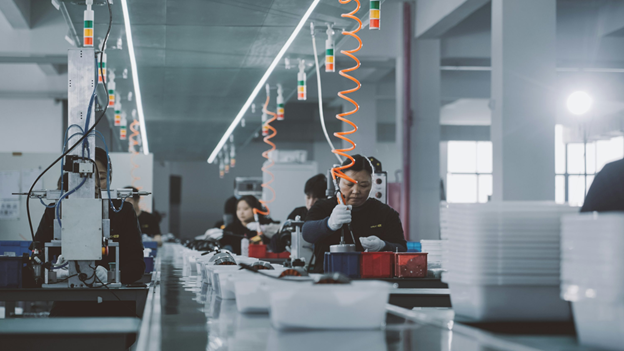
Competitive labor costs and young workforce (Source)
Labor costs in manufacturing remain about 50 percent lower than in China. Young workers fill the labor force. The median age sits near 32.5 years, with a strong STEM education. Skill levels rise through government training programs inside industrial parks. These factors deliver both cost‑efficiency and quality for global manufacturing brands in the Vietnam manufacturing industry.
Improving industrial park ecosystem and supply chains
Industrial zones exceed 400 planned, with over 80 % occupancy. Parks are turnkey, well‑connected, and built for high‑tech sectors, including semiconductor projects supported by tax credits and fast approvals. Collaboration with Singapore-based VSIPs fosters smart, sustainable industrial ecosystems.
Challenges Vietnam Must Overcome to Stay Competitive
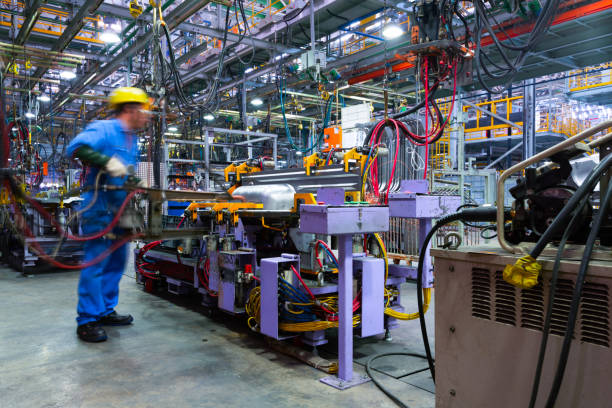
Challenges Vietnam is facing (Source)

Infrastructure and Energy Limitations
Manufacturing zones in Vietnam still face power grid limits. Coal delivers 50–55% of electricity in early 2025, while gas imports remain low due to expensive LNG infrastructure. Major ports like Cai Mep‑Thi Vai and Lao Cai expand capacity, yet delays persist in inland logistics and metro buildouts.
Administrative Procedures and Bureaucracy
Red tape remains a concern. Provincial governments slowed administrative reforms in 2024, with local authorities seen as less proactive. Business land access suffers, with only 33% of firms reporting no obstacles and many facing unclear regulation costs.
Limited Value-Added Capabilities
Local value capture remains weak. Manufacturing output grew in 2023, but value added fell by 0.37% due to fragmented supply chains and heavy import reliance. Many factories still assemble low-margin goods. Upgrading requires more R&D, local component firms, and collaborative ecosystems.
Environmental Concerns and Labor Shortages
Rising production brings environmental risks. Green incentives exist, but compliance costs and ESG standards vary across zones. Labor shortfalls appear in industrial parks like Da Nang. Worker attrition and reverse migration strain hiring for assembly roles.
Why Kizuna is a Preferred Manufacturing Partner in Vietnam
Kizuna stands out as a leading serviced factory provider, supporting international businesses seeking fast, flexible, and efficient production in the Vietnam manufacturing industry. It addresses key investor needs with integrated solutions:
- Ready-built factories with high customization: Kizuna offers ready-to-use factories ranging from 250 m² to over 6,000 m². These facilities allow manufacturers to start operations quickly without construction delays.
- One-stop service ecosystem: From legal consulting to staffing support and tax registration, Kizuna simplifies business setup through in-house and partner services. This aligns with Vietnam's regulatory push for streamlined approvals.
- Strategic locations: Kizuna's parks lie in Long An Province, part of the Southern Key Economic Zone, offering fast access to Ho Chi Minh City, Cat Lai Port, and international airports.
- Support for ESG and sustainable manufacturing: Kizuna implements green building standards and energy-efficient systems, helping tenants meet rising environmental compliance expectations.