Strengths and challenges of Vietnam's manufacturing industry (low-cost labor, infrastructure issues, etc.)
Strengths and Challenges of the Vietnam Manufacturing Industry: Low-Cost Labor, Infrastructure, and Beyond
What makes the Vietnam manufacturing industry a rising star in Asia's industrial landscape? With its competitive labor costs, youthful workforce, and growing trade network, Vietnam offers powerful advantages for global manufacturers. Yet, alongside these strengths lie persistent challenges, such as infrastructure gaps and regulatory complexity. This article explores both sides of the coin, providing a clear look at the opportunities and obstacles shaping the future of Vietnam's fast-evolving manufacturing sector.
Differentiators for Vietnam's Manufacturing Industry
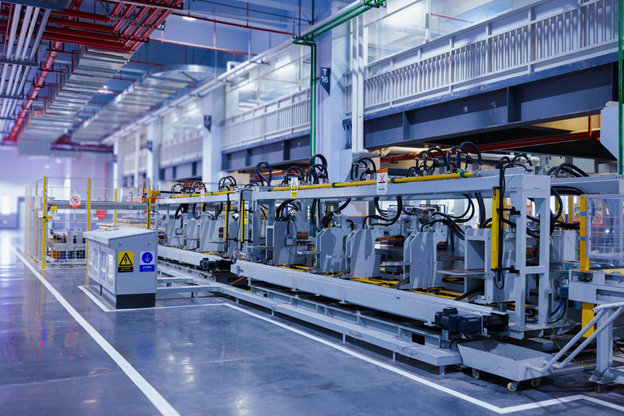
Differentiators for Vietnam manufacturing industry (Source)
The Vietnam manufacturing industry stands out in Southeast Asia due to several unique strengths. These factors have attracted global companies looking for efficient, cost-effective production hubs. Understanding these differentiators helps explain why Vietnam continues to grow as a preferred manufacturing destination.
- Agility in Trade Integration: Vietnam has signed 18 free‑trade agreements, including CPTPP, EVFTA, and RCEP. This network cuts tariffs and streamlines exports. The country enjoys highly competitive freight rates thanks to its coastline and ports.
- China+1 Destination with Political Stability: Manufacturers see Vietnam as a key alternative to China. Stateful governance ensures continuity and neutrality. Thanks to political calm and a 1,300 km border plus coastlines, it attracts significant FDI and trade flow.
- Rapid Industrial Zone Development: Industrial parks and export zones have expanded dramatically—now over 400 parks across 61 provinces, with more underway. These zones come with modern utilities, ports, and incentives. They host both local and foreign firms, promoting technology transfer and cluster efficiencies.
- Young Workforce Willing to Upskill: Around 70% of Vietnam's population is under 35. The government invests heavily in vocational and technical training. Firms like Bosch partner with schools for apprenticeship programs. Workers respond quickly to new technologies.
- Low-Corruption Export Zones: While national-level corruption remains a concern, with a CPI score of 40, many export-focused zones implement targeted anti-corruption and bureaucratic reforms. Investors in these zones benefit from streamlined licensing and more transparent operations.
- Specialization in Niche Manufacturing: The country excels in electronics assembly, automotive wiring, footwear, and furniture. Export values include $72 billion in electronics and $27 billion in footwear in 2024. Growth in semiconductors and high-tech electronics reflects rising specialization in value-added sectors.
- Lower Language and Cultural Barriers for Japanese/Korean Investors: Vietnam shares cultural understandings and business norms with Japan and Korea. Many Vietnamese speak English and some regional languages, easing management and operational synergy. Strong FTA ties, such as VKFTA and VJEPA, also support this trend.
Challenges of Vietnam's Manufacturing Industry
Despite strong momentum, the Vietnam manufacturing industry confronts several deep challenges. Critical issues span logistics, workforce skills, environmental policy, value chain complexity, and regulatory bottlenecks. These hurdles affect efficiency, competitiveness, and future growth.
Below is a breakdown of the key obstacles:
Infrastructure Limitations
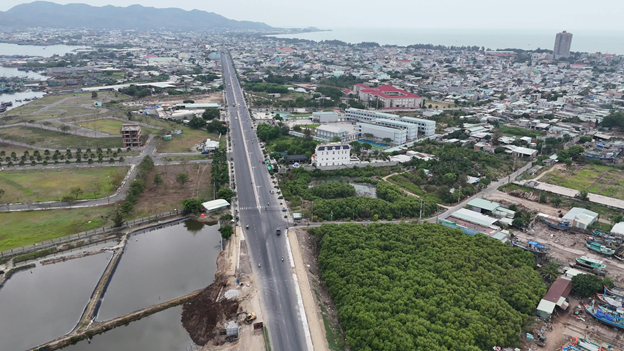
Infrastructure limitations (Source)
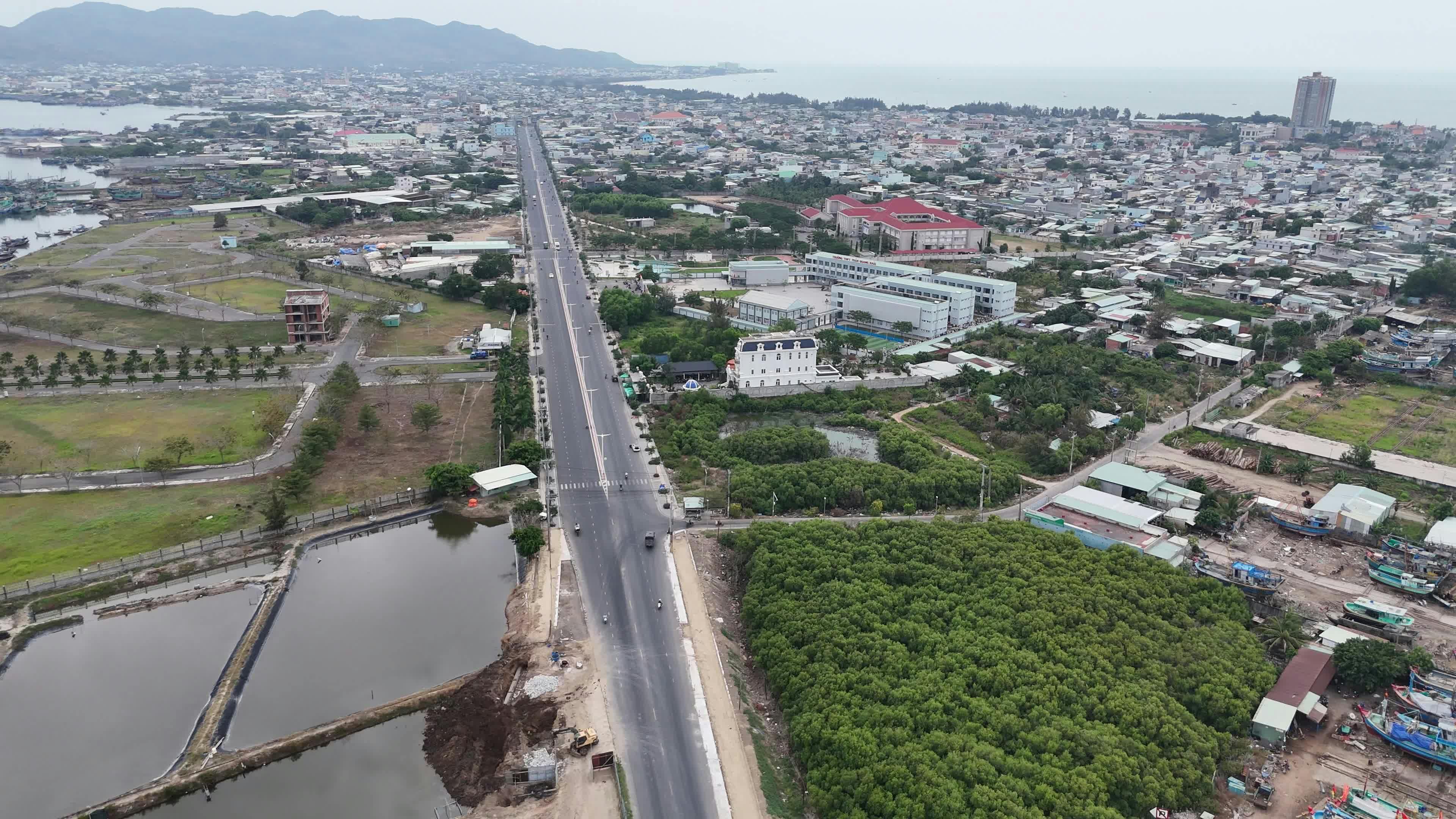
Logistics bottlenecks, unstable power supply, and aging transport networks block seamless production. Despite allocating around 6 % of GDP to infrastructure, the highest in ASEAN, road congestion and port delays persist in major industrial zones.
Frequent power shortages during heatwaves have caused blackouts and disrupted operations. A 2023 heatwave triggered power constraints, hitting output and causing firms like Foxconn to cut usage by 30 %.
The government plans to boost highways, ports, and rail links to underpin modernization. However, delays in land acquisition and administrative approvals hamper progress.
Skilled Labor Shortage
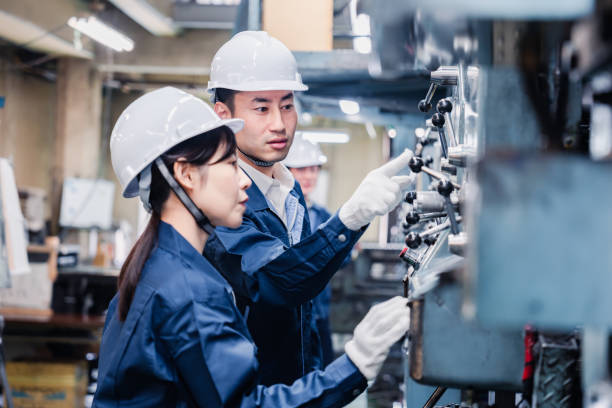
Skilled labor shortage (Source)

A large labor pool hides a gap in technical and managerial talent. Estimates suggest 45–70 % of the workforce lacks formal skills, leaving 2.1 million roles unfilled by 2030.
Local industrial firms struggle to recruit engineers and technical staff. Only 11 % of workers meet "highly skilled" standards, with the rest requiring significant upskilling.
High turnover rates add strain. Roughly 64 % of firms cite retention issues, while only 29 % offer clear career paths. 70 % of Gen Z workers avoid manufacturing roles.
Both multinational and domestic firms are pushing vocational and upskilling initiatives. Partnerships with universities and employer-led training help address gaps. Still, more systemic reforms are needed to close the skills divide.
Environmental and Compliance Pressures

Environmental and compliance pressures (Source)
Mounting environmental demands weigh on manufacturers. Global buyers now require compliance with green and ESG standards.
Water and air pollution remain critical issues. Many industrial zones still lack adequate wastewater treatment. Back in 2010, just 45% of zones had any treatment facilities; untreated discharge totaled 1 million m³ daily. Though the government and donors have expanded capacity, many zones still don't meet global benchmarks.
Regulatory demands grow. Firms in FDI zones must meet both domestic rules and international buyer standards. Research shows that environmental compliance often drives innovation, yet upfront costs remain significant.
Additionally, Vietnam is adjusting Extended Producer Responsibility (EPR) rules, which may relieve smaller exporters but raise compliance costs for larger operations.
These pressures force producers to invest in cleaner tech and waste treatment. For many low-margin businesses, scaling these investments is hard. This challenge pressures the Vietnam manufacturing industry to evolve or risk falling behind.
Overdependence on Low-Value Manufacturing
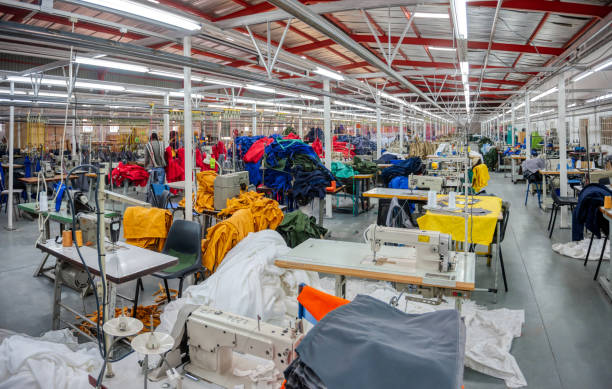
Overdependence on low-value manufacturing (Source)

Vietnam earns praise as a manufacturing base. Yet most production lies at the low-value end. Exports lean heavily on garments, basic electronics, chemicals, and furniture. A third of the output is low-tech assembly, which leaves profit margins thin. Dependency on export orders also creates vulnerability to trade shifts. The US, which purchases nearly 30% of goods, has threatened 46% tariffs in late‑2025 scenarios.
The country has ambitions to move up to semiconductors and smart devices. Initiatives like chip research centers and training engineers aim to change this. But a full transition to high-value production will take years and require sustained skills, investment, and policy shifts.
Shifting away from assembly takes political commitment and capital. Without it, the Vietnam manufacturing industry risks being stuck in low-value traps.
Regulatory and Bureaucratic Hurdles

Regulatory and bureaucratic hurdles (Source)
Complex and opaque regulations slow progress. Firms report red tape and inconsistent interpretations of the law.
In Q1 2024, about 50% of businesses highlighted administrative burdens and inefficiency among the top obstacles. Around 33% cited unclear rules. Though over 340 regulations and 390 procedures were simplified, firms still struggle with land‑use approvals, tax clarity, and licensing.
Concrete evidence of impacts is clear. In early 2024, large multinationals froze investments due to unclear Global Minimum Tax rules and incentives tied to high‑tech classification. Companies like Samsung and Amkor found delays or ambiguity in accessing promised tax breaks.
Recent FT reporting warns that new US tariffs risk harming Vietnam's export recovery, forcing bureaucratic reforms to keep global buyers. Government plans to streamline and decentralize regulatory authority show promise, but reforms must accelerate to match investment inflows.
Heavy bureaucracy lengthens project timelines and raises risk. Even FDI zones face frustration with ad hoc requirements. Without clearer, faster governmental service, scaling high-tech manufacturing will remain tough.
Kizuna: Premier Serviced Factory Solution for Vietnam Manufacturing Industry
Kizuna leads as Vietnam's first serviced factory provider. It offers turnkey solutions that remove setup obstacles and accelerate production. Built for both global and local manufacturers, Kizuna delivers an ideal environment to fast‑track growth.
What Kizuna Offers:
- Ready‑built, fully serviced factories in strategic zones across Long An and other industrial hubs. Each site features a modern design, synchronized utilities, and scalable space to match production needs.
- Comprehensive support ecosystem with seven core services: legal, HR, accounting, administrative, environmental, maintenance, and information services for smooth operations.
- Multilingual, expert team adept in Japanese, Korean, and English business norms. This capability helps reduce cultural friction and boosts operational efficiency.
Kizuna has successfully supported a wide range of manufacturing businesses in Vietnam, helping them launch, expand, and operate efficiently through tailored solutions and resilient infrastructure:
- Amphenol launched a facility smoothly with full infrastructure and logistics support from Kizuna, enabling fast scale‑up and consistent product quality.
- ACE Bongsan Vina, a Japanese–Korean joint venture, navigated pandemic disruptions thanks to Kizuna's rapid response and resilient factory design.
- Gildaon (Chuo Chemical) set up Vietnam's first industrial chemicals plant within Kizuna 2, meeting strict 5S and environmental standards.
With Kizuna, manufacturers gain more than space—they access a supportive ecosystem that drives compliance, speed, and sustainable growth in the Vietnam manufacturing industry.