Contracts, costs, and points to note for rental factories in Vietnam
Contracts, costs, and points to note for rental factories in Vietnam
In Vietnam’s booming industrial sector, leasing ready-built factories is increasingly popular for businesses seeking to expand quickly and cost-effectively. But to make a safe and profitable lease, you must understand the contract terms, cost components, and key caution areas. Below is a guide to help you negotiate wisely, with practical insights that providers like Kizuna can share from their experience supporting businesses in Vietnam.

Ready-built factory for lease in Vietnam industrial zone
1. Types of Lease Contracts & Key Clauses
When renting an industrial property, the lease agreement is your foundation. Some contract types and clauses to pay close attention to:
- Lease Term & Renewal Options:
The lease term directly impacts your long-term costs and operational stability. Short contracts (1–3 years) provide flexibility but carry the risk of frequent renegotiation and potential rent hikes. Long contracts (5–20 years) offer stability but reduce flexibility if market conditions change.
Without renewal rights or clear extension terms, you may be forced out of the facility just as your operations mature. Rent escalation clauses can also inflate costs unexpectedly if not capped.
- Rent & Payment Terms

Industrial factory lease agreement with rent conditions
Rent is the largest recurring expense, and payment schedules affect your cash flow. Some landlords demand quarterly or yearly advance payments, which can strain finances.
If you don’t confirm how and when payments are made — and whether rent is fixed or adjustable — you may face sudden budget issues, especially if the landlord ties increases to market rates or inflation without limits.
- Security Deposit & Advance Payments
Deposits protect the landlord, but they tie up your capital. Advance payments of 6–12 months are common in Vietnam, which can limit liquidity.
If refund conditions are vague, you could lose your deposit at lease termination. Tenants should ensure refund timelines, conditions for deductions, and dispute procedures are clearly stated.
- Service & Maintenance Responsibilities
Maintenance costs can be significant. Contracts must clarify who pays for structural repairs, equipment servicing, and common area upkeep.
You could end up paying for major repairs (e.g., roof, electrical system) that should fall under the landlord’s responsibility. Worse, failure to define environmental responsibilities (wastewater, hazardous waste) could expose you to heavy fines.
- Modifications, Fit-out, & Customization
Most rental factories require modifications — from installing HVAC systems to building cleanrooms. Knowing who covers these costs prevents disputes.
If restoration clauses aren’t clear, you may have to spend heavily restoring the factory to its original state at lease end, even if your improvements add value.
- Termination, Default, & Exit Clauses
Businesses face uncertainties — market downturns, supply chain shocks, regulatory changes. Having clear exit or termination clauses helps protect you.
If the landlord can terminate easily or impose high penalties for early exit, your operations could collapse unexpectedly. Without a force majeure clause, you may still owe rent even if a natural disaster halts production.
- Subleasing & Assignment
Subleasing allows you to optimize space if your requirements shrink, while assignment clauses support M&A or restructuring.
If subleasing is prohibited, you may pay for unused space. If assignment isn’t allowed, selling or transferring your business becomes more complex and costly.
- Contract Registration & Stamp Duties
In Vietnam, some contracts must be registered with local authorities to be legally enforceable. This ensures your rights are protected under the law.
If the lease isn’t registered, you may not be able to enforce it in court during disputes. Stamp duties and registration fees also add costs — and if not clarified, these fees may unexpectedly fall on you.
These elements form the backbone of your lease. A poorly drafted contract may hide heavy liabilities.
2. Cost Components & Hidden Expenses
The monthly rent is only part of the total cost. Understanding all costs helps avoid budget surprises. Here are common cost components:
|
Type of Cost |
Description / What to Watch |
Sample Magnitude / Data |
|
Service & Maintenance Fees |
Shared services: common area upkeep, security, landscaping, facility administration. |
Might be a fixed per m² fee or % of rent. |
|
Utilities |
Electricity, water, gas, compressed air, internet, waste treatment. |
Tenants often pay actual usage; infrastructure must be reviewed. |
|
Fit-out / Customization |
Changes needed to tailor the space (walls, HVAC, cleanrooms, drainage). |
Tenants frequently bear these costs. |
|
Insurance & Property Risk |
Fire, flood, theft, liability. |
Usually paid by tenant; premiums vary with location and use. |
|
Taxes, Land Use & Other Levies |
Property tax, land use rights fees, VAT, registration fees. |
These depend on contract and local jurisdiction. |
|
Contract Registration / Stamping |
Government or administrative fees to register or legalize the lease. |
A fixed fee based on contract value or local law. |
|
Contingency & Inflation Adjustments |
Budget buffer for rent increases, unexpected repairs, inflation. |
Always include 5–10%+ buffer. |
Note / Research needed: Kizuna advises you to verify current factory lease rates in your target province or industrial zone, as prices can vary widely (e.g., Ho Chi Minh City, Binh Duong, Long An, northern provinces). Kizuna also recommends tracking recent rent trends, such as year-on-year increases.
3. What to Check & Negotiate: Points to Note
Before you sign, verify and insist on clarity in these areas:
- Title & Land Use Rights
Ensure the landlord has valid land use rights and that the industrial zone allows your type of operation. - Environmental & Safety Compliance
Check requirements for wastewater discharge, emissions, waste treatment, fire codes — you don’t want retrofitting later. - Infrastructure Capacity: Electric load capacity, water supply, drainage, backup power, telecom. If overloaded, expansion costs may fall to you.
- Tax / Incentives / Exemptions: Investigate whether your business qualifies for incentives (e.g. tax breaks, land lease reductions) under local or national investment laws.
- Contract Flexibility & Exit Clauses: Negotiate break options, force majeure, rent freeze, and remedy terms.

Negotiating contract flexibility and exit clauses in factory lease
- Operational Clauses: Who is responsible for repairs, emergency maintenance, structural changes, or improvements?
- Insurance & Liability Clauses: Caps on indemnity, risk sharing, minimum coverage.
- Rent Escalation & Adjustment: Clarify how and when rent may be adjusted (CPI, fixed % increases, reevaluation).
- Guarantees / Warranties by Landlord: Especially for structural integrity, water tightness, roof leaks, foundation.
- Dispute Resolution: Mechanism (arbitration, local court), jurisdiction, language, termination triggers.
A detailed checklist must be tailored to your industry, scale, and risk tolerance.
Example Cost & Market Trends in Vietnam
The following figures illustrate how rental prices and growth trends have evolved across Vietnam’s industrial zones, providing a clearer picture for investors and tenants.
Rent Growth Since 2019: According to VnEconomy, industrial real estate rents in Vietnam have increased by about 70% since 2019. Despite this rapid growth, Vietnam remains globally competitive compared to regional peers such as China, Thailand, and Malaysia.
Annual Growth Forecast: Reports from CBRE and The Investor project that industrial property rents will continue to grow by 7–9% annually in the coming years, driven by strong FDI inflows, limited land supply, and rising demand in high-tech manufacturing.
Regional Differences: Average land lease prices (remaining term) are around USD 130 per m² in the North and USD 176 per m² in the South, reflecting the higher demand in provinces near Ho Chi Minh City.
5. Why Choose Kizuna as Your Leasing Partner
Many businesses hesitate when renting a factory in Vietnam because of complicated contracts, hidden costs, unclear responsibilities, and regulatory hurdles. This is where Kizuna makes a difference.
- Transparent Contracts – Kizuna offers clear lease terms with well-defined responsibilities, minimizing disputes over maintenance, fit-out, or termination.
- Cost Clarity – With service packages that include infrastructure, utilities, and security, Kizuna reduces unexpected expenses and simplifies budgeting.
- Regulatory Support – Licensing, tax, and legal prcedures in Vietnam can be overwhelming. Kizuna’s dedicated support team helps tenants navigate compliance smoothly.
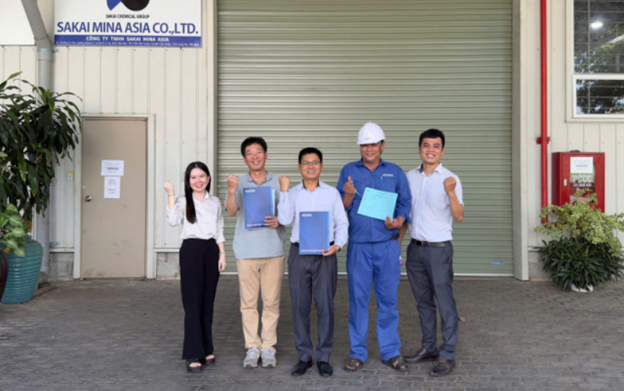
Kizuna providing transparent factory lease contracts in Vietnam
- Operational Flexibility – From SMEs to large manufacturers, tenants can choose from a wide range of factory sizes and scale operations without costly relocations.
- End-to-End Services – Beyond just providing space, Kizuna assists with recruitment, legal consultation, and daily operations, ensuring tenants can focus on growth instead of facility management.
>>> Discover Kizuna’s comprehensive support ecosystem here
With Kizuna, the pain points of factory rental — from contract complexity to hidden costs and compliance risks — are transformed into a seamless, efficient, and scalable solution.
Conclusion
Renting a factory in Vietnam is no longer just a cost-saving alternative — it has become a strategic choice for businesses that want to enter the market quickly, reduce risks, and scale flexibly. However, contracts, hidden costs, and compliance requirements make it essential to choose the right partner.
With its transparent lease terms, full-service support, and flexible factory solutions, Kizuna helps companies overcome common rental challenges and focus on what matters most: growing their business.
Explore Kizuna’s support ecosystem today to find a rental factory solution that fits your industry and future goals.